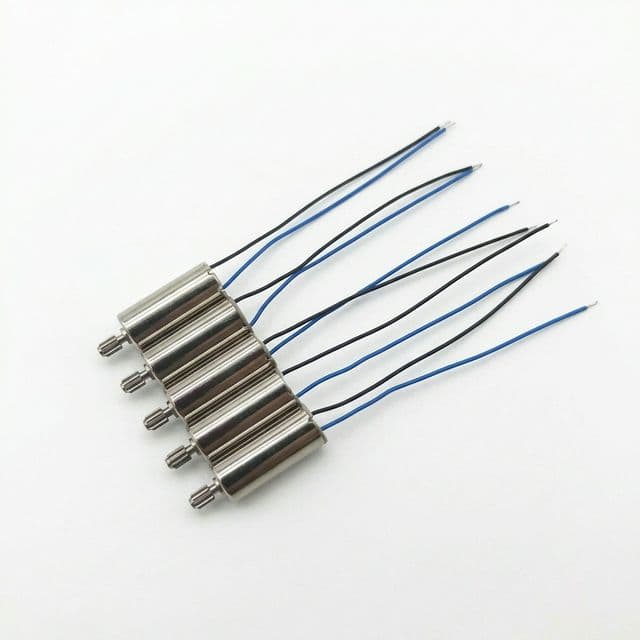
Coreless Motor Gearbox Integration: Pre-Assembled vs Discrete Sourcing (2026)
Compare the hidden costs, warranty risks, and yield impacts of sourcing pre-assembled coreless gear motors versus discrete components for OEM applications.
For OEM procurement teams and engineers designing medical devices, robotics, or compact actuators, deciding how to source the drivetrain is a critical milestone. The coreless DC motor provides the speed and efficiency, but the gearbox (or gearhead) delivers the usable torque.
A common procurement debate in 2026 is whether to source the coreless motor and the gearbox discretely (from two different vendors to minimize unit cost) or to buy a pre-assembled, integrated gear motor unit from a single supplier.
Scope and limits: This guide is written for global OEM teams comparing miniature coreless gear motor sourcing options for 2026 production planning. It does not replace supplier-specific life testing, acoustic testing, or shaft-load validation for the selected motor and gearhead part numbers.
The Bottom Line: In supplier quote reviews, discrete sourcing can appear roughly 10-15% cheaper on the initial bill of materials (BOM). Treat that range as a quote-screening assumption, not a universal market benchmark: the hidden costs of in-house assembly, alignment yield loss, and split warranties often result in a higher Total Cost of Ownership (TCO).
Need a structured input pack before requesting quotes? Start with the coreless DC motor RFQ checklist so gearbox ratio, output load, shaft load, acoustic, and compliance requirements are visible before supplier comparison.
The "Split Warranty" Trap in Discrete Sourcing
When sourcing a coreless DC motor from Vendor A and a planetary gearbox from Vendor B, the OEM assumes full responsibility for the mechanical integration.
Because coreless motors have extremely low inertia and delicate shafts (often 1mm to 3mm in diameter), pressing a pinion gear onto the motor shaft requires immense precision. If the press fit is misaligned, it can introduce radial load, gear mesh noise, and extra bearing stress at the motor's front end. The life impact must be validated under the actual load profile instead of assumed from catalog motor data alone.
When the motor fails prematurely in the field, Vendor A will blame the OEM's assembly process (improper radial load), and Vendor B will blame the motor's bearing quality. The OEM is left absorbing the entire cost of the RMA.
Sourcing Comparison Matrix: Pre-Assembled vs Discrete
When evaluating quotes, procurement managers must look beyond the initial PO line item. Here is a comparison of the true costs and risks associated with each sourcing strategy.
| Decision Matrix Dimension | Discrete Sourcing (Motor + Gearbox separate) | Pre-Assembled Sourcing (Integrated Unit) | Winner / Advantage |
|---|---|---|---|
| Initial Unit Price (BOM) | Typically 10-15% lower | Typically 10-15% higher | Discrete (Lower initial PO cost) |
| NRE & Tooling Costs | Zero (if using off-the-shelf parts) | Minor tooling for custom pinion/flange | Discrete (Better for prototyping) |
| Assembly Yield Loss | High (scrap due to pinion press-fit errors) | Supplier-owned assembly yield; shipped units pass agreed outgoing QC | Pre-Assembled (Predictable acceptance yield) |
| Warranty Accountability | Split (vendors blame each other for failures) | Unified (one vendor covers the entire unit) | Pre-Assembled (Lower risk profile) |
| MOQ Stacking | Must meet MOQs for both vendors separately | Single MOQ for the integrated assembly | Pre-Assembled (Less tied-up capital) |
| Lead Time Management | Complex (assembly waits for the slowest part) | Streamlined (one delivery schedule) | Pre-Assembled (Supply chain simplicity) |
When to Choose Which Strategy?
Choose Discrete Sourcing if:
- You are in the early R&D phase and need to swap out multiple gear ratios quickly to test torque limits.
- Your facility has automated, high-precision micro-motor assembly capabilities and strict acoustic testing protocols.
- The product is highly price-sensitive, has a short lifespan, and warranty failure is an acceptable business risk (e.g., disposable consumer toys).
Choose Pre-Assembled Sourcing if:
- The application is a medical device, surgical tool, or industrial robot where reliability is paramount.
- You want to reduce your vendor count and simplify your supply chain.
- You are transitioning from pilot to mass production and need to lock in predictable Total Cost of Ownership (TCO).
The OEM Gear Motor RFQ Checklist
If you have decided to source a pre-assembled coreless gear motor, use this checklist to ensure your supplier quote covers all necessary parameters:
- Specified Load Profile: Have you provided the continuous torque AND the peak (stall) torque requirements?
- Radial & Axial Load: Does the quote explicitly state the maximum allowable radial load on the gearbox output shaft?
- Backlash Requirements: Is the maximum allowable backlash (in degrees) documented for your precision positioning needs?
- Acoustic / NVH Limits: If the device is worn or used near a patient, is there a stated dBA limit for the gearbox at nominal speed?
- Lubrication Compliance: Are gearbox lubricant, plastic, and coating declarations aligned with the target markets' RoHS, REACH, and customer-specific restricted-substance requirements?
Frequently Asked Questions (FAQ)
Q: Can I attach a planetary gearbox to any coreless motor?
A: No. The motor's front bearing must be rated to handle the axial force applied when pressing the pinion gear onto the shaft. Factory-integrated units often use upgraded bearings or custom shafts to ensure longevity.
Q: Why do pre-assembled gear motors have a longer initial lead time?
A: The supplier must manufacture the motor, source or manufacture the gearbox, assemble the unit, and run end-of-line acoustic and torque tests on the completed assembly. This adds 2-3 weeks to standard motor lead times but saves you months of in-house assembly validation.
Q: Are spur gearboxes or planetary gearboxes better for coreless motors?
A: Planetary gearboxes offer higher torque density and efficiency within a small diameter, making them the standard choice for most tubular coreless motors. Spur gearboxes are typically only used when extreme cost reduction is required and space is not a constraint.
Ready to Optimize Your Drivetrain?
If your engineering team is struggling with in-house motor assembly yield, or if procurement is tired of managing multiple drive-component vendors, it’s time to switch to a unified solution.
Contact our Engineering Team to discuss pre-assembled coreless gear motor solutions, or Download our comprehensive RFQ Checklist to structure your next supplier negotiation.
Sources & References
- Portescap: DC Gear Motor - Official gear motor overview covering miniature DC motors, integrated gearheads, torque multiplication, and low-noise design considerations.
- maxon group: Gears - Official product and selection context for planetary, spur, and special gearheads used with miniature drive systems.
- FAULHABER: Precision Gearheads - Official precision gearhead reference for compact motor integrations, ratio selection, and application-specific configuration.
More Posts

Coreless DC Motor Thermal Derating & NdFeB Magnet Sourcing Guide (2026)
A decision-grade sourcing guide for procurement teams addressing coreless motor thermal failures, NdFeB magnet demagnetization risks, and EU Critical Raw Materials Act (CRMA) compliance in 2026.

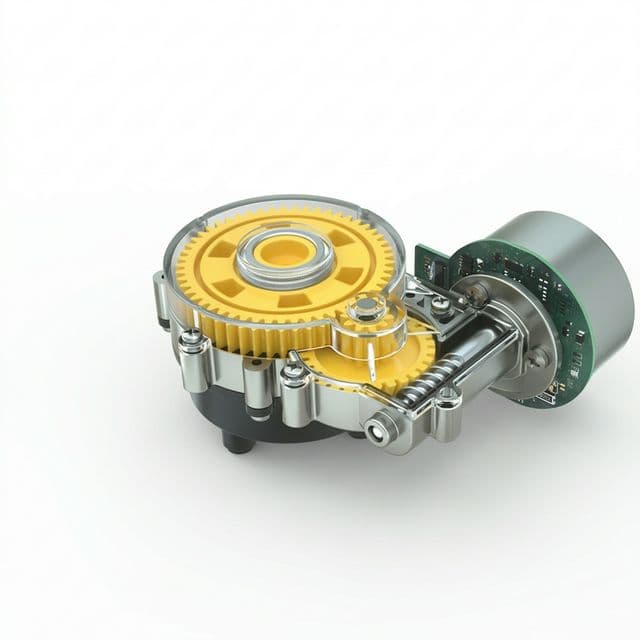
Coreless Motor OEM NRE and Tooling Cost Breakdown for Buyers
A buyer-first method to evaluate NRE, tooling, validation, and hidden implementation costs before approving a custom coreless motor program.
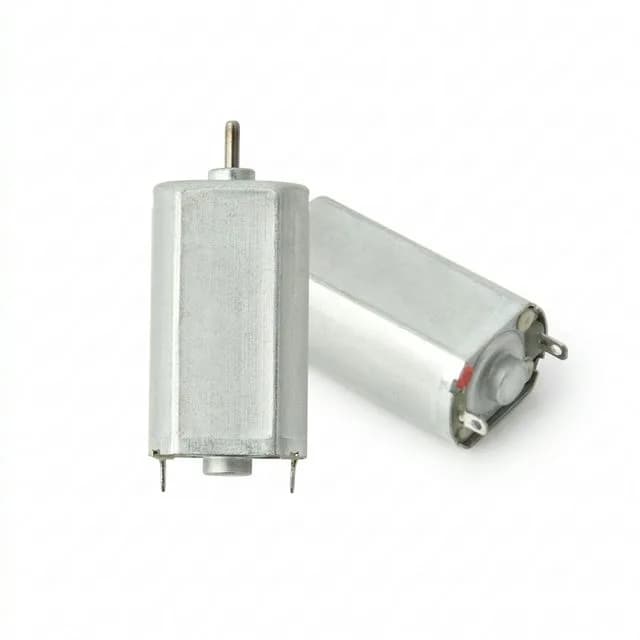
Coreless Motor Sourcing for Medical Robotics: Supply Chain Shifts and OEM Strategies in 2026
Coreless motor sourcing guide for 2026 medical robotics. Compare validation, lead-time, and dual-source moves before RFQ release. Request sourcing review.